

Your rules, executed the same way at 3am as at 3pm
BankAura AI — Official Platform

Five things the platform gives you on day one
Limits the engine cannot talk itself out of
Maximum position size, total exposure, daily loss ceiling and concurrent trade count are enforced in the execution path. Breaching them is not a decision the engine is able to make.
A written reason for every action
Each entry and exit is logged with the conditions that triggered it. When a week goes badly you can read what happened instead of guessing at it.
Three levels of control
Watch signals only, approve each order by hand, or hand over execution entirely. The same rule set and the same ceilings apply in all three modes.
Coverage of the hours you are not there
Analysis and execution run on our servers. Closing your laptop does not pause a strategy, and nothing needs restarting when you come back.
Reporting that shows the bad months
Fees, slippage, losing streaks and maximum drawdown sit next to the strong periods. A track record with the losses removed is advertising, not evidence.
Inside the Platform
Long/Short
Spot/Futures
Take profit
Templates
From Trigger to Trade: What the Engine Actually Does
The money most retail crypto traders lose rarely disappears because the idea was wrong. It leaks out of the space between a decision and the action that should follow it — the alert noticed hours too late, the stop nudged wider because this run felt different, the size chosen by nerves instead of by the plan. BankAura AI is built to remove that space. It makes no forecast and offers no opinion on where the next candle prints. It is an execution layer that follows the rules you hand it, at every hour of the day, and keeps a record of what it did and why.
For each instrument you switch on, the engine repeats a four-step cycle. Gather: order-book depth, spot and derivatives flow, funding rates, liquidation pockets, volume outliers and news sentiment arrive as a continuous stream. Score: every input is weighted by how much it has actually mattered for that individual pair, so a sentiment jump that moves one coin is never blindly applied to another where it never has. Execute: anything above your threshold becomes either a signal you approve or an order placed for you — always within the ceilings you set. Log: the conditions that produced the action are written down for you to read afterwards.
Traders tend to shrug off that final step, and it is the one that matters most. Automation with no paper trail is just a black box you have wired to your balance. With the log in front of you, a bad fortnight stops being a mystery: you can see which condition fired, how much exposure was live at that moment, and whether the rule ran exactly as written or the market simply went against a perfectly reasonable position. Those are two separate problems, and each needs its own answer.
| Stage | What it produces |
|---|---|
| Gather | A live feed across every pair you have enabled |
| Score | Relevance weights tuned per instrument, not one blanket model |
| Execute | A signal to approve, or an order kept inside your limits |
| Log | The reasoning behind each entry and exit, saved for review |
The whole thing lives in your browser. Nothing to install, no licence key to chase, and no obligation past the balance you decide to fund.
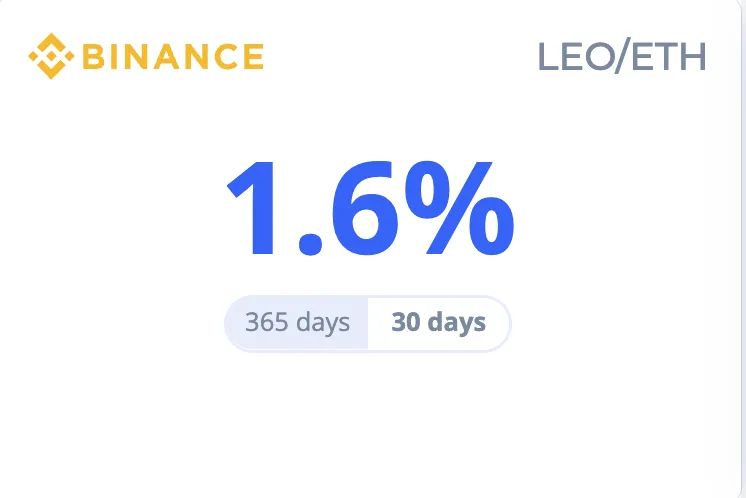
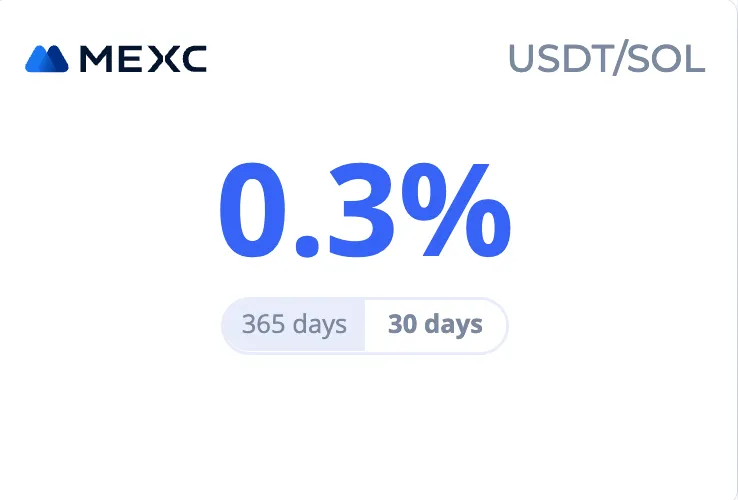
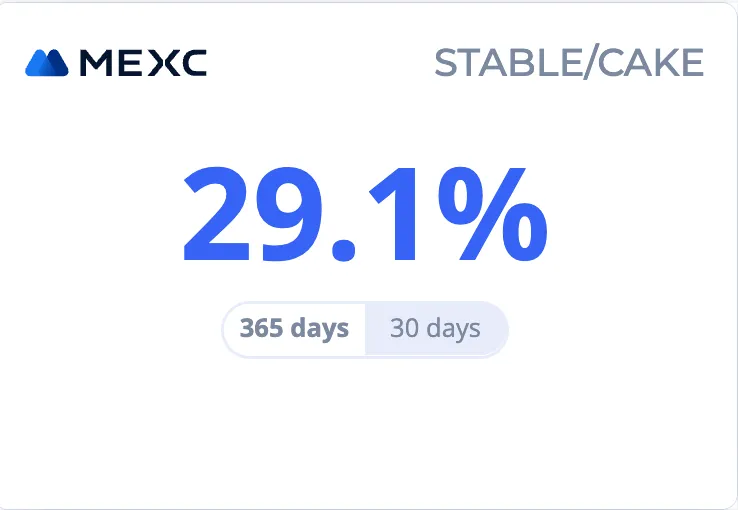
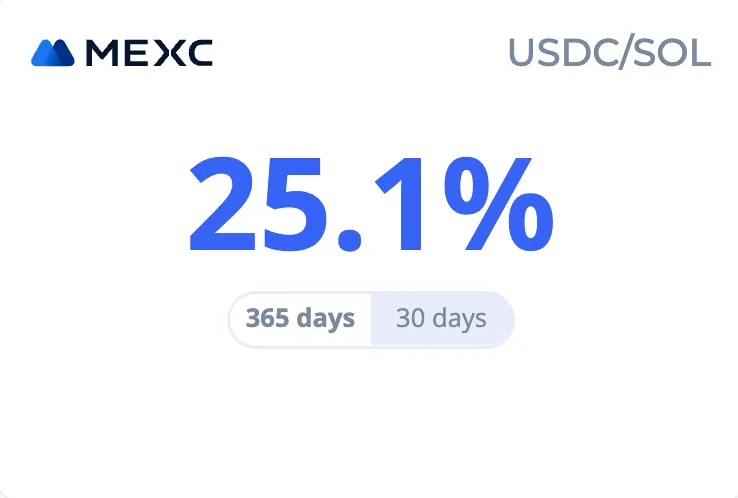
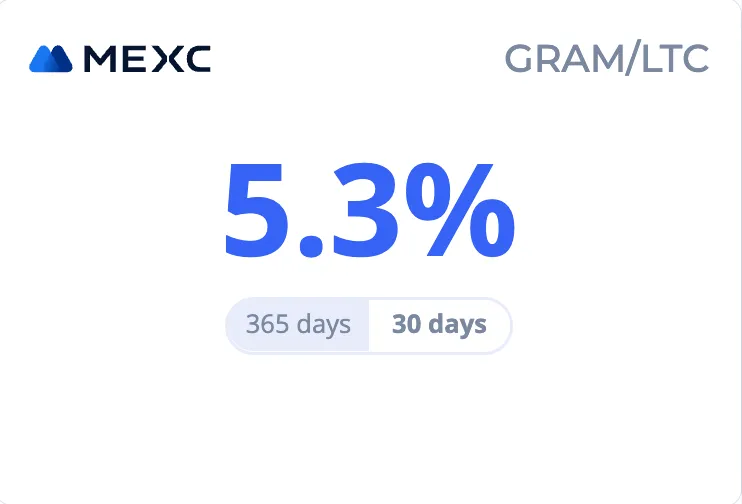
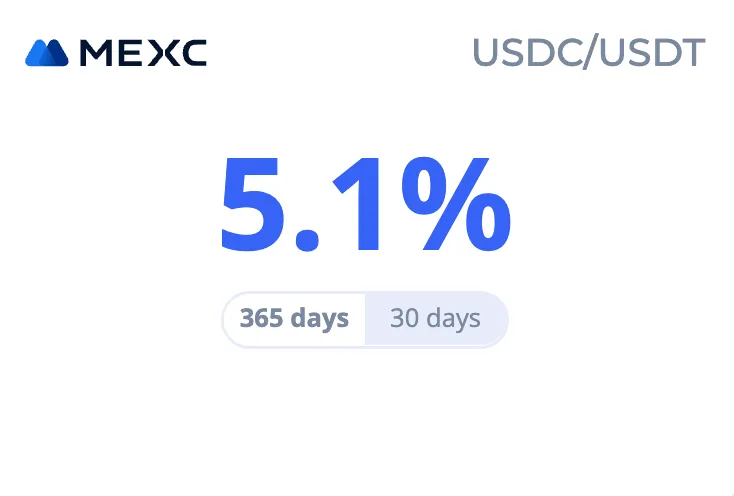
Reporting Samples
The Four Numbers That Decide How It Trades for You
Signing up takes less than a minute and costs nothing. The part that earns your attention comes straight after, and none of it is technical — it is four figures that govern how the platform acts in your name.
1. The most a single position may reach. Set as a slice of your balance. This is the number that decides whether one losing trade is a nuisance or a disaster.
2. The total exposure you are willing to hold. A cluster of open positions in correlated coins is, in reality, one big position. This ceiling keeps that from creeping up on you unnoticed.
3. What a bad day may cost you. A daily loss line that benches the engine the moment it is reached. Pick a level that would irritate you, not one that would wound you.
4. How much freedom the engine is given. Signal-only, approve-every-order, or fully automatic. Most people begin at the middle setting and graduate to the last once they recognise the engine acting the way it did in conditions they have already seen.
Only after that does the deposit come into play. The starting point is $250 — not a hurdle but a floor with a reason behind it: position sizing spreads a balance across trades so no single one runs the show, and beneath a certain amount there is simply nothing left to spread. Choose a sum whose complete loss would leave your month unchanged.
Support That Can Actually Open Your Log
Help comes with every balance tier and runs around the clock rather than during one time zone’s working hours. That counts for little on a password reset, but everything on the question that genuinely arises: the engine sat out that move — why? Agents are trained on the platform itself and can pull up the decision record to show you which condition fell short. What they cannot do is tell you whether a given trade is right for you, or take market risk out of a position. No one can manage the first, and nothing can manage the second.
What funded accounts tell us
The signals were never the turning point for me — the loss ceiling was. I used to talk myself past my own limits mid-trade. Now that option simply isn’t on the table, and my worst months stopped being so ugly.
I studied the drawdown history on a strategy profile before I ever switched it on. Seeing in advance what a rough patch looks like is the only reason I rode one out instead of bailing in a panic.
I kept it in approve-every-order mode for about six weeks and only overruled it three or four times. Once I saw the logic behind the trades it skipped, I handed it the wheel.
I asked support why nothing fired during a move that looked obvious. They opened the log and showed me the exact condition that missed, and by how narrow a margin. That was worth more than a green week.
I opened at the minimum purely out of doubt. I’ve topped it up twice since — not because the returns were dazzling, but because the behaviour matched the docs every single time.
The reports actually include fees and slippage. Most tools I’d used quietly dropped those, and the gap between gross and net is exactly where the honesty lives.
Getting set up took maybe ten minutes, and most of that was reading rather than clicking. It has run untouched ever since, which was the whole point for me.
Security, Records, and the Promises We Refuse to Make
The security section ought to be dull, and it is. Data in transit and at rest is encrypted to the standards regulated finance relies on, identity checks guard account access, sessions are monitored for anything unusual, and sensitive actions ask you to authenticate again. This is the baseline, not a selling point — be wary of any platform that parades it as a headline.
Here is the part others leave out. BankAura AI cannot guarantee a profit, and neither can any engine. What rule-based execution really provides is consistency: the same inputs yield the same action whether you are asleep, in transit, or watching the screen. For most people that beats trading on impulse. It is not the same as an edge over the market, and mistaking one for the other is exactly how balances get wiped out.
The plain baseline: across the sector, something like seven in ten retail accounts trading leveraged products lose money over time. Crypto piles volatility and thin overnight liquidity on top of that. A well-made model tilts the odds in your favour; it does not repeal them. Any position, however carefully assembled, can be flattened by a move no dataset saw coming. The screenshots and past stretches on this page illustrate the reporting format — they are not a prediction of your outcome.
Before you deposit a cent
| Check | Why it matters |
|---|---|
| Eligibility where you live | Crypto derivatives are limited or banned for retail clients in a number of countries |
| The third-party venue’s terms | Fees, custody and withdrawal timing are theirs to set, not this platform’s |
| Tax treatment of any gains | Rules vary widely by country and are yours to confirm |
| The capital itself | Only funds whose total loss would change nothing essential |
Who It Fits, and Who It Does Not
It fits someone who can already say what they want to do and what they will not put at risk, yet cannot be at the desk during the hours crypto actually moves. For that person automation is not a shortcut — it is the only way a plan gets carried out the way it was designed.
It fits newer traders on a single condition: read the strategy profile before you turn it on. Logic you have not looked at is a black box no matter who authored it, and the documentation is there precisely so you can look.
It does not fit anyone counting on guaranteed income, anyone trading money that is spoken for on a set date, or anyone hoping to skip the work of learning how markets behave. No engine stands in for that, and this one will not pretend to.
The questions to ask before you start
So what is BankAura AI, exactly?
A browser-based crypto trading platform built around rule execution. You set the entry conditions, the position sizing and the loss limits; the engine watches the market non-stop and acts strictly within those boundaries, recording the reasoning behind every order. Think of it as an execution and record-keeping layer, not a forecasting service.
Can it break the limits I set?
No. Position size, total exposure, the daily loss ceiling and the number of concurrent trades are enforced inside the execution path, so an order that would cross any of them is never sent. The only way a limit changes is if you change it yourself, on purpose, in your settings.
Am I forced to let it trade on its own?
Not at all. There are three modes: signal-only, where you see the decisions and act yourself; approve-every-order, where nothing is placed without your go-ahead; and full automation. All three share the same rules and the same ceilings, so switching between them changes who clicks the button, not how risk is controlled.
What can I actually review after a losing week?
The decision log for every entry and exit, the conditions that set each one off, the exposure you were carrying at the time, and a report that includes fees and slippage. That is usually enough to show whether a rule ran as written or the market just moved against a sound position — two problems with two different fixes.
Do I need experience to use it?
No, but you do need to be willing to read. The strategy profiles are documented, including how they held up through past drawdowns. Beginners tend to do well when they start at the minimum, run in approve-every-order mode for a while, and treat the first few months as tuition rather than income.
What does it cost, and what’s the minimum?
The platform itself is free — no subscription, no licence fee, no charge just for keeping an account open. The only money you commit is your trading balance, which starts at $250. That floor exists so position sizing has enough room to spread risk across trades.
How fast can I withdraw?
Withdrawal timing is set by the venue holding your funds and by your payment method, not by this platform. Confirm the stated processing times, limits and any fees in that third party’s terms before you deposit — much easier to check on day one than on the day you want your money out.
BankAura AI Editorial Team
Product documentation and risk disclosure
This page is written and kept up to date by the BankAura AI editorial team. We describe how the platform behaves, publish its reporting samples, and go back over the risk language at every revision. No invented bylines, no borrowed credentials. The figures shown describe platform activity and the format of its reporting; they are not a projection of what any single account will earn, and trading digital assets can cost you part or all of your capital. Wherever a rule or a regulator is mentioned, it is named so you can check the position for yourself rather than take our word for it. Last reviewed: 17 August 2026.
Set your limits, then let it work
Registration is free and takes about 30 seconds. Nothing is placed on your balance until you have set your rules and funded the account.